Smart Film Installation Guide: What to Check Before Installing
Before installing smart film, check the existing glass condition, panel dimensions, electrical supply, wiring route, control method, privacy requirements and installation environment. These details affect how cleanly the film can be installed and how well it works after installation.
Smart film can turn suitable existing glass into switchable privacy glass without replacing the entire panel. If you are new to the technology, our guide on what is smart film explains how it works.
But the installation involves more than applying film to the surface.
The glass needs to be suitable, measurements must be accurate, and the electrical system needs to be planned properly.
Here are the main things to check before installation.
Can Smart Film Be Installed on Existing Glass?
Yes. Self-adhesive smart film can be installed on many suitable existing glass panels.
Common applications include:
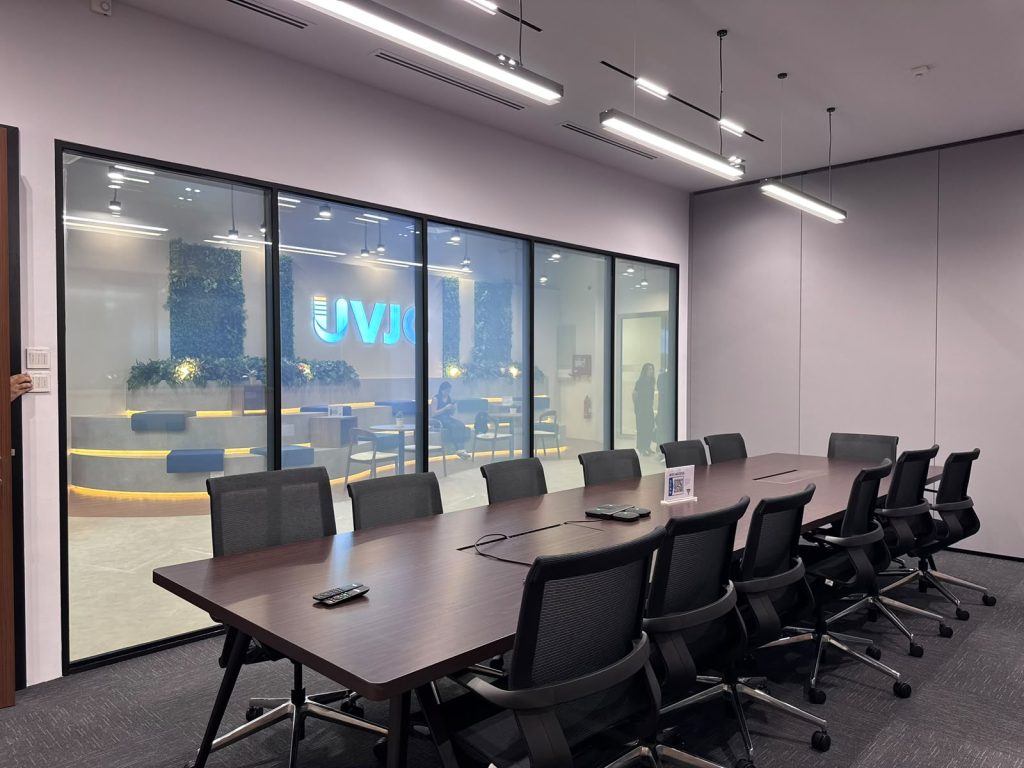
- Office meeting rooms
- Glass partitions
- Director rooms
- Clinic consultation rooms
- Residential windows
- Glass doors
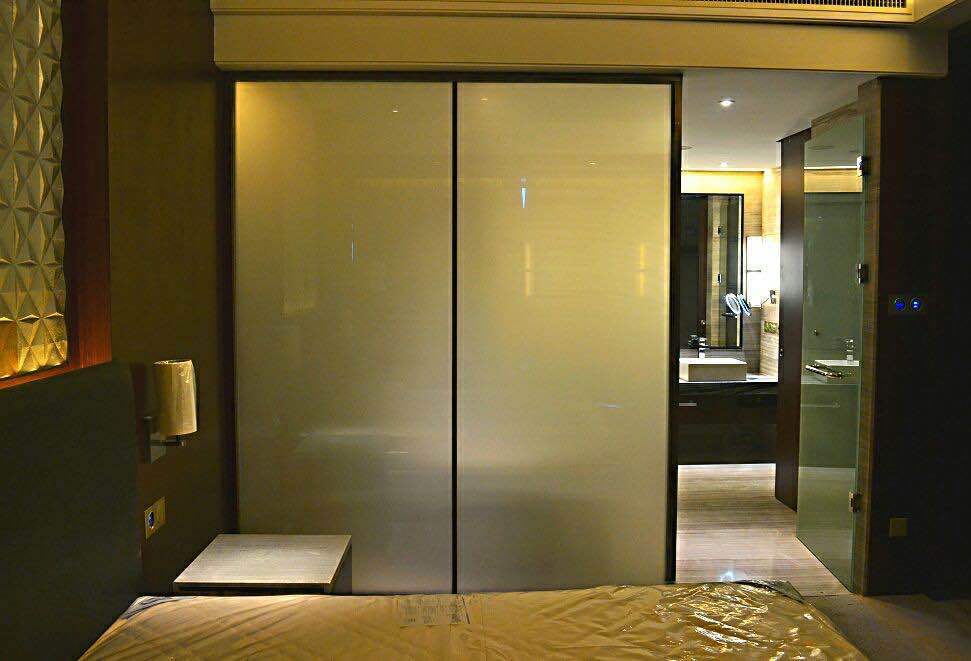
- Bedroom partitions
These are typical uses for smart film in Singapore, across both commercial and residential spaces.
This is one of the main differences between smart film and smart glass.
Smart film is commonly used as a retrofit solution, while smart glass is generally considered when new glass is being installed or existing glass is being replaced.
However, the existing glass should still be inspected before installation.
What to Check Before Installing Smart Film
The checks below cover the glass itself, the electrical work behind it and the conditions around it.
1. Check the Glass Condition
The glass should be clean, smooth and in suitable condition.
Check for:
- Cracks
- Chips
- Deep scratches
- Existing window film
- Adhesive residue
- Surface contamination
- Uneven areas
Smart film is applied directly to the glass, so anything trapped underneath may affect the final appearance.
Surface preparation is therefore an important part of installation.
2. Measure the Glass Accurately
Each glass panel should be measured individually.
Even panels that appear identical may have slight differences.
Measurements should consider:
- Width
- Height
- Glass edges
- Frames
- Silicone joints
- Door handles
- Hinges
- Cut-outs
- Electrical connection points
Unusual glass shapes or large panels may require additional planning.
A site measurement is useful because actual dimensions can sometimes differ from drawings.
3. Plan the Power Supply and Wiring
Smart film requires electricity to switch between its clearer and frosted states.
That means the power supply should be considered before installation.
Plan:
- Where the power source will be
- Where wiring will run
- Where the transformer or controller will sit
- Whether the wires can be concealed
- Where switches will be located
If smart film is being installed during renovation, electrical planning should happen early.
This allows wiring to be coordinated with ceilings, partitions, frames or carpentry instead of being added after everything is completed.
Where new electrical wiring or modifications are required in Singapore, the electrical work should be carried out or supervised by an appropriately Licensed Electrical Worker.
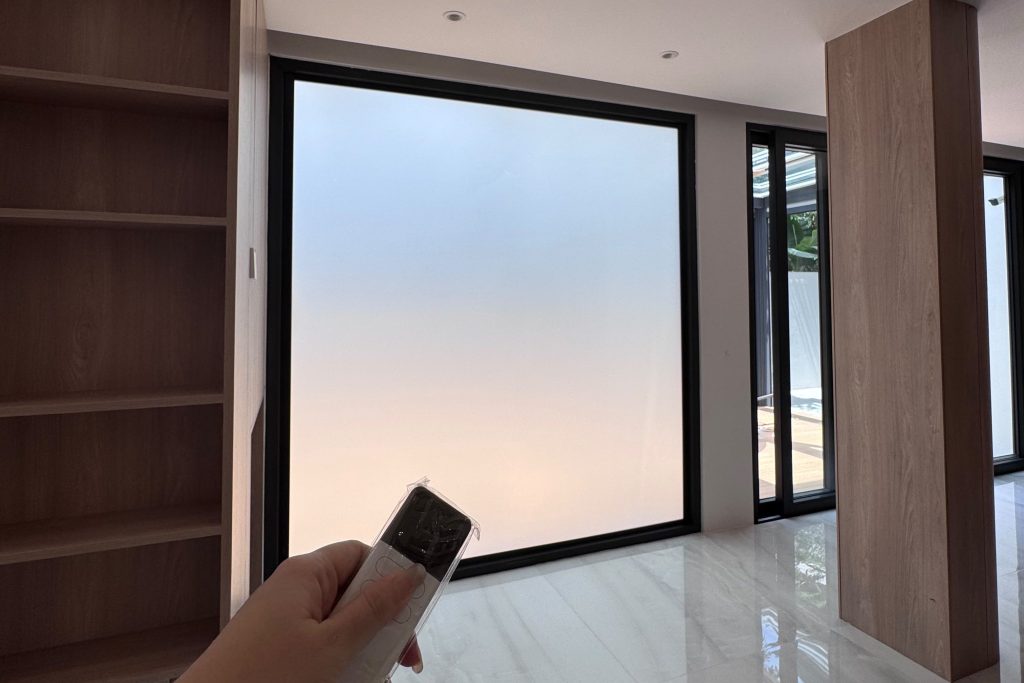
4. Choose How the Smart Film Will Be Controlled
Depending on the system, smart film may be operated using:
- Wall switch
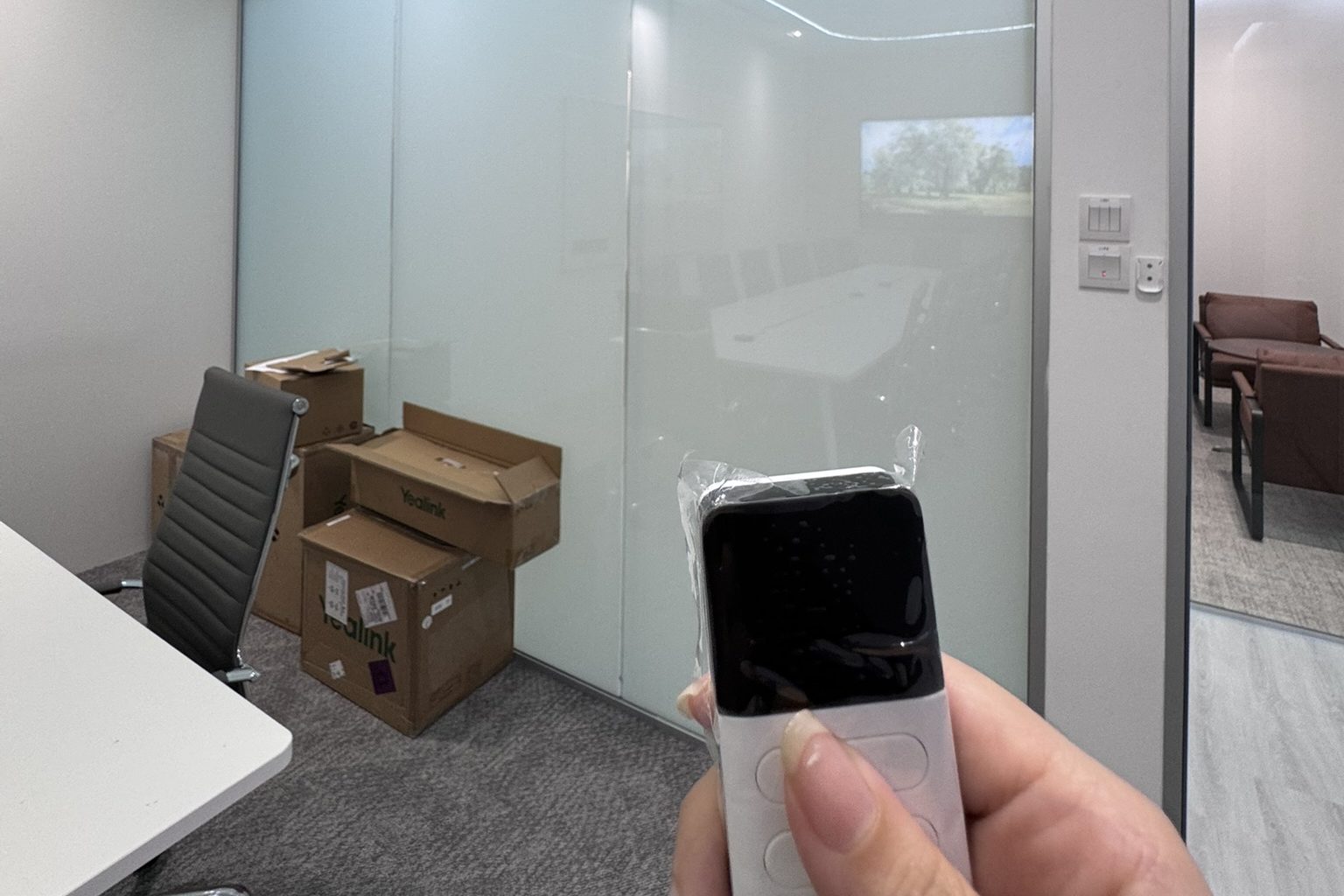
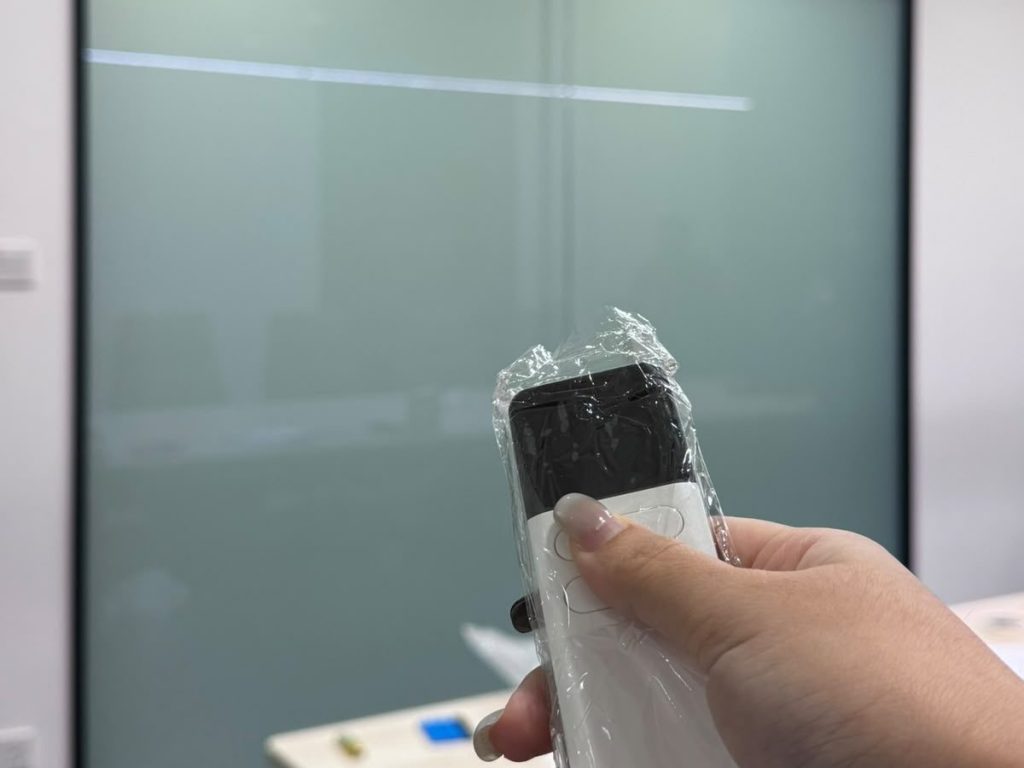
- Remote control
- Automation system
- Smart home integration where compatible
The preferred control method should be decided before electrical works are completed.
For example, a meeting room may use a wall switch near the entrance, while a residential application may prefer remote operation.
The available control options depend on the smart film system selected.
5. Understand What Smart Film Privacy Actually Means
Smart film provides visual privacy.
When switched to its frosted state, direct visibility through the glass is reduced while light can still pass through.
However, smart film is not the same as:
- Blackout blinds
- Solid walls
- Soundproof partitions
This distinction is especially important for meeting rooms and clinics.
If the requirement includes acoustic privacy, the glass partition, doors and surrounding construction should also be considered.
6. Understand the Clear-State Appearance
When electricity is applied, PDLC smart film becomes more transparent.
Polymer-Dispersed Liquid Crystal technology relies on liquid-crystal droplets dispersed in a polymer matrix. Their optical behaviour changes when an external electric field is applied, which is what allows the film to switch between higher-scattering and more transparent states.
However, the clear state may still show some haze compared with untreated glass.
The appearance can depend on:
- Film specification
- Lighting
- Viewing angle
- Glass condition
- Installation quality
If clear-state appearance is important, ask to see a physical sample or completed installation.
7. Check Whether the Location Is Dry, Wet or Exposed
The installation environment matters.
Consider:
- Moisture
- Direct sunlight
- Heat
- Water exposure
- Cleaning conditions
- Glass orientation
Bathrooms and other wet areas require additional attention because both electrical connections and film edges need suitable planning.
Do not assume that the same installation detail used for an office meeting room is automatically suitable for a bathroom.
The product and site should be assessed before installation.
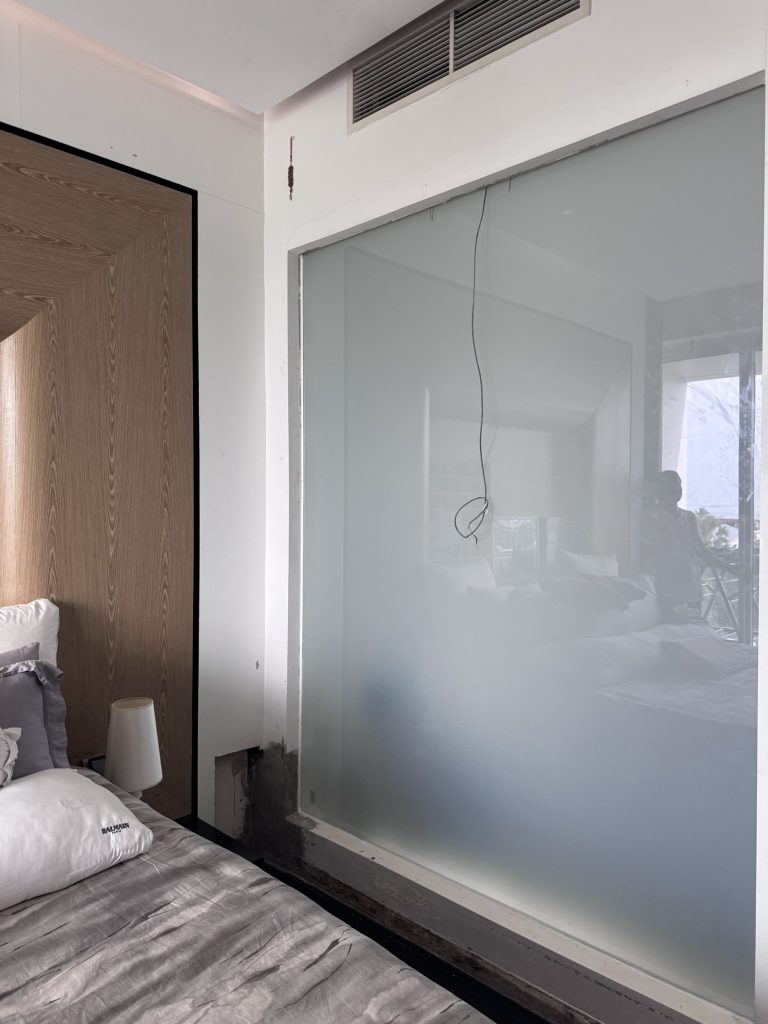
8. Plan Smart Film at the Right Stage of Renovation
If smart film is part of a renovation project, plan it early but install it after major dusty works around the glass are completed.
Early planning allows the project team to prepare:
- Electrical supply
- Wiring
- Partition details
- Switch positions
- Glass preparation
Installing after major cutting, drilling or carpentry reduces the risk of dust affecting the glass preparation process.
This is particularly useful for new office meeting rooms or glass partitions.
Smart Film Installation Checklist
| What to Check | Why It Matters |
|---|---|
| Glass condition | Affects adhesion and appearance |
| Glass dimensions | Ensures correct film sizing |
| Existing film or residue | May need removal before installation |
| Power supply | Required for smart film operation |
| Wiring route | Helps keep the installation clean |
| Control method | Determines switch or remote setup |
| Privacy expectation | Avoids confusion about blackout or soundproofing |
| Clear-state appearance | Helps set realistic expectations |
| Moisture or exposure | Affects installation suitability |
| Renovation stage | Helps reduce dust and unnecessary rework |
Smart Film vs Smart Glass for Installation
| Smart Film | Smart Glass |
|---|---|
| Applied to suitable existing glass | Switching layer is incorporated into new glass |
| Good for retrofit projects | Good for new glazing or glass replacement |
| Existing glass may remain | Existing glass is generally replaced |
| Requires surface preparation and electrical connection | Requires fabrication and installation of the glass system |
If your existing glass is in good condition and does not need replacement, smart film may be the more practical option.
If the project is already replacing the glass, smart glass in Singapore may be worth considering instead.
Frequently Asked Questions About Smart Film Installation
Can smart film be installed on any glass?
Not every glass surface should automatically be assumed suitable. The glass should be checked for damage, existing films, contamination, dimensions and installation conditions before smart film is applied.
Does smart film require electricity?
Yes. PDLC smart film uses electricity to switch to its more transparent state. The power supply and wiring route should therefore be planned before installation.
Can smart film wiring be hidden?
Often yes, particularly when the installation is planned during renovation. Wiring may be coordinated through partitions, frames, ceilings or nearby carpentry depending on the site.
Can smart film be installed in bathrooms?
Smart film may be suitable for some bathroom applications, but moisture, electrical safety, glass edges and wiring location need to be considered carefully before installation.
Does smart film become completely clear?
Smart film becomes significantly more transparent when powered, but some haze may remain compared with untreated glass. The result depends on the product, lighting, viewing angle and installation.
Final Thoughts
A good smart film installation starts with proper preparation.
Before installation, check:
- The existing glass
- Panel dimensions
- Power supply
- Wiring
- Control method
- Privacy requirements
- Installation environment
Planning these details early can help achieve cleaner wiring, better finishing and a smart film setup that suits the intended space.
Smart Glass Solution provides smart film solutions for existing glass in offices, homes, clinics and commercial spaces in Singapore.
Considering smart film for your existing glass?
Contact Smart Glass Solution with a photo of the glass, approximate dimensions and intended use. Our team can review the application and advise on the next step.