Smart Film vs Frosted Film: Which Is Better for Privacy?
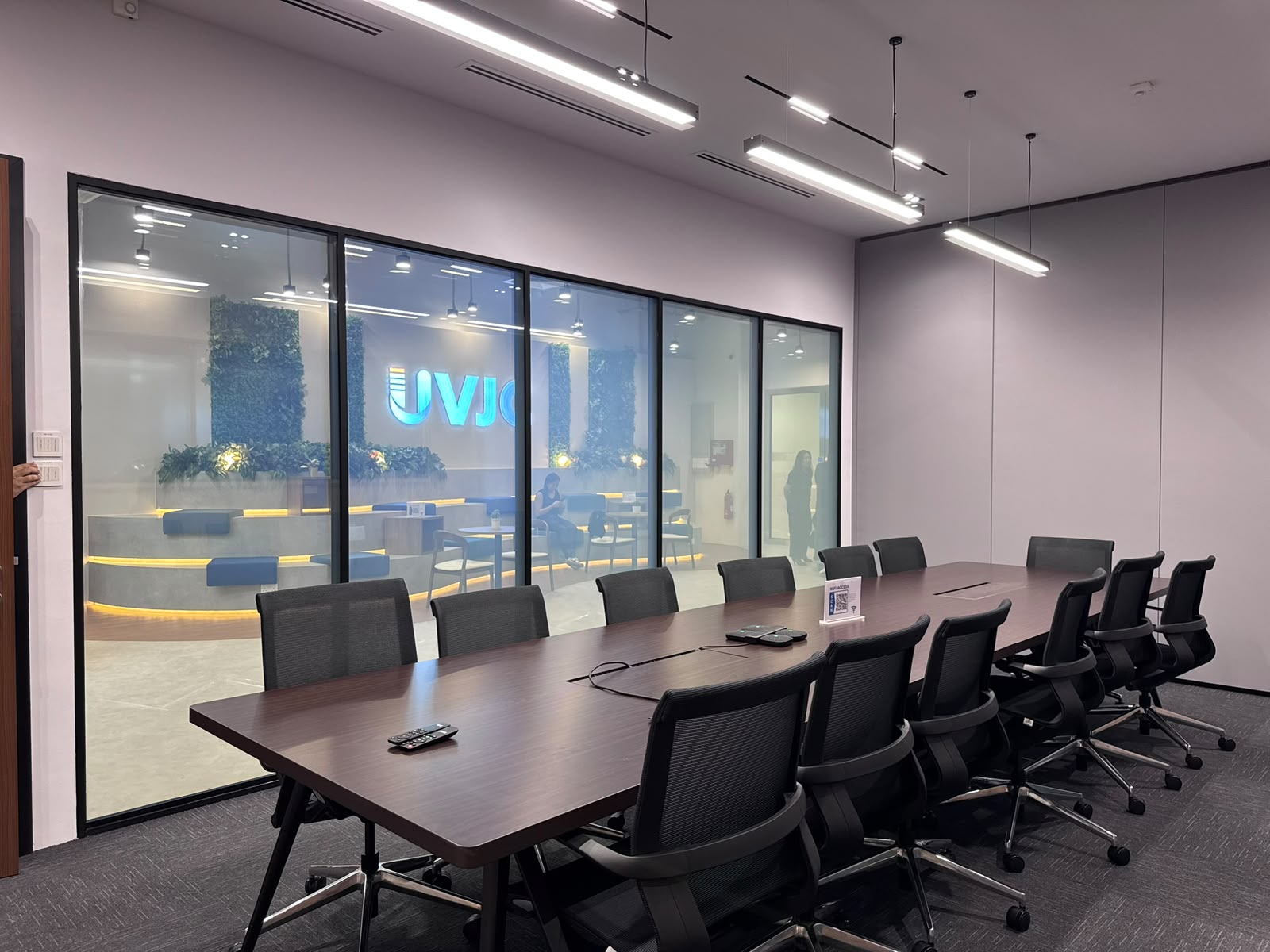
Smart film and frosted film both provide privacy, but they work very differently. Frosted film gives permanent privacy and stays opaque all the time, while smart film can switch between a clearer state and a frosted privacy state using electricity. Smart film is better when you need flexible privacy, while frosted film is usually more suitable when permanent privacy is enough.
The right choice depends on how you use the glass.
A meeting room may need to stay clear most of the day but become private during meetings.
A storage room or back office may simply need permanent privacy.
That is why the better option is not always the more advanced one.
It is the one that suits how the space actually works.
What Is Smart Film?
Smart film is an electrically controlled film that can be applied to suitable glass. If you are new to the technology, our guide on what is smart film covers the basics in more detail.
Most switchable smart film uses PDLC, or Polymer Dispersed Liquid Crystal, technology. A technical review of how PDLC smart film works explains the underlying mechanism.
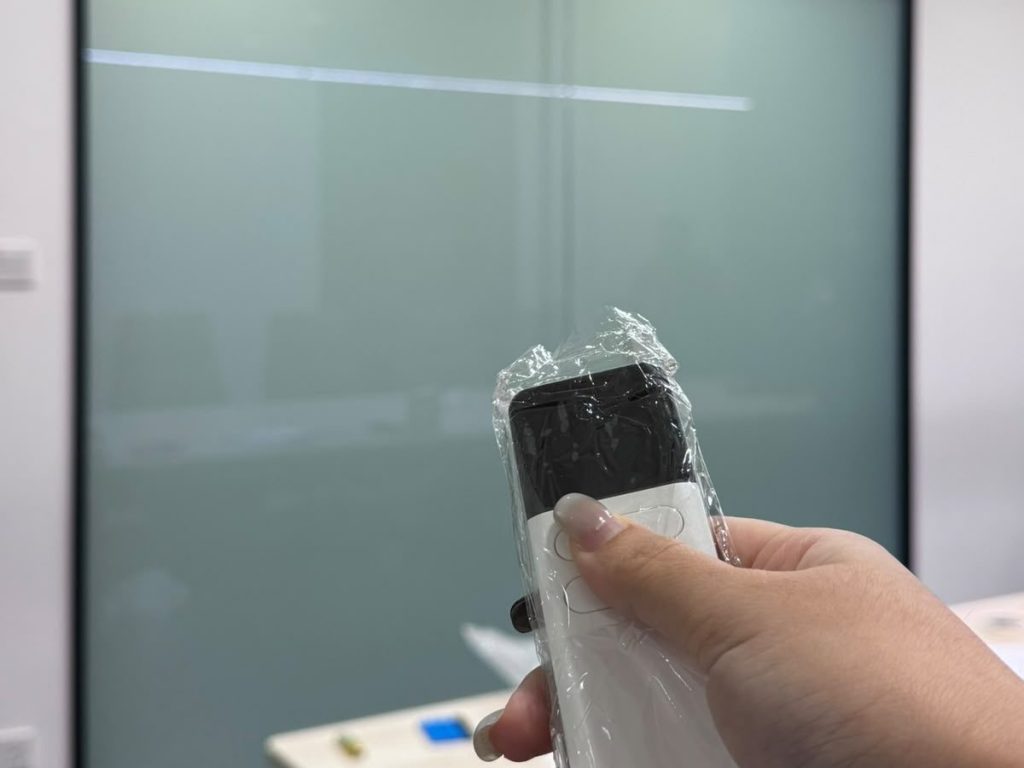
When the power is off, the liquid crystals scatter light and the glass appears frosted.
When electricity is supplied, the crystals align and the glass becomes more transparent.
This allows one glass panel to serve two purposes:
- Clear when visibility is wanted
- Frosted when privacy is needed
This makes smart film useful for spaces where privacy requirements change throughout the day.
Common applications include:
- Office meeting rooms
- Director rooms
- Clinics
- Consultation rooms
- Homes
- Glass doors
- Retail spaces
You can see the full range of smart film in Singapore on our main service page.
What Is Frosted Film?
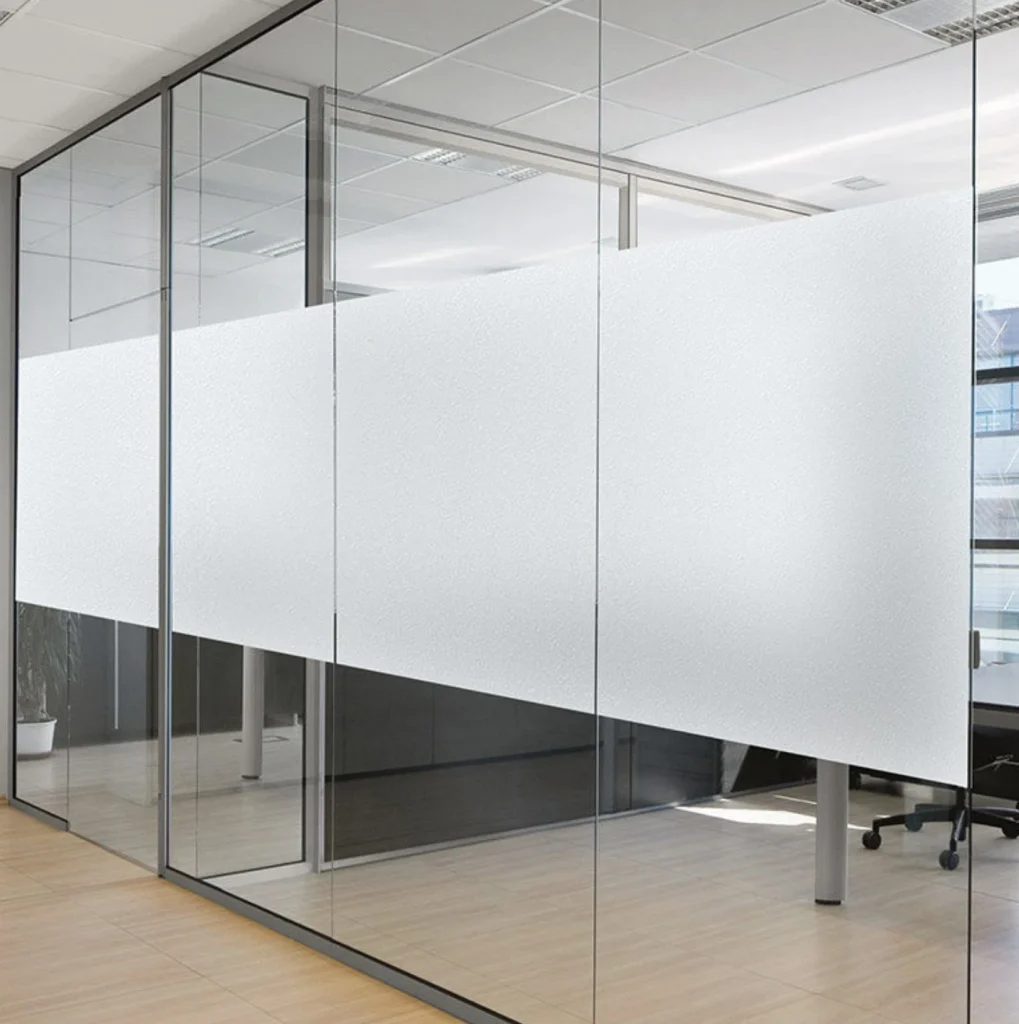
Frosted film is a non-switchable privacy film applied to glass.
It creates a permanent frosted appearance that reduces visibility through the panel while still allowing light to pass through.
Unlike smart film, frosted film does not change state.
Once installed, the glass remains frosted unless the film is removed or replaced.
It is commonly used for:
- Office partitions
- Bathroom glass
- Doors
- Windows
- Privacy strips
- Decorative applications
Frosted film is simple, does not require electricity and can be a practical choice where permanent privacy is acceptable.
Smart Film vs Frosted Film: Quick Comparison
| Feature | Smart Film | Frosted Film |
|---|---|---|
| Privacy | Switchable | Permanent |
| Clear mode | Yes | No |
| Frosted mode | Yes | Always frosted |
| Requires electricity | Yes | No |
| Natural light | Maintained in both states | Maintained through frosted surface |
| Existing glass retrofit | Yes, where suitable | Yes |
| Privacy control | On demand | Fixed |
| Wiring required | Yes | No |
| Best for | Spaces needing both openness and privacy | Spaces needing permanent privacy |
| Typical applications | Meeting rooms, clinics, homes, premium interiors | Bathrooms, partitions, fixed-privacy areas |
1. Privacy: Flexible vs Permanent
This is the biggest difference.
Smart film allows the user to decide when the glass should be clear and when it should be private.
Frosted film does not.
Smart film
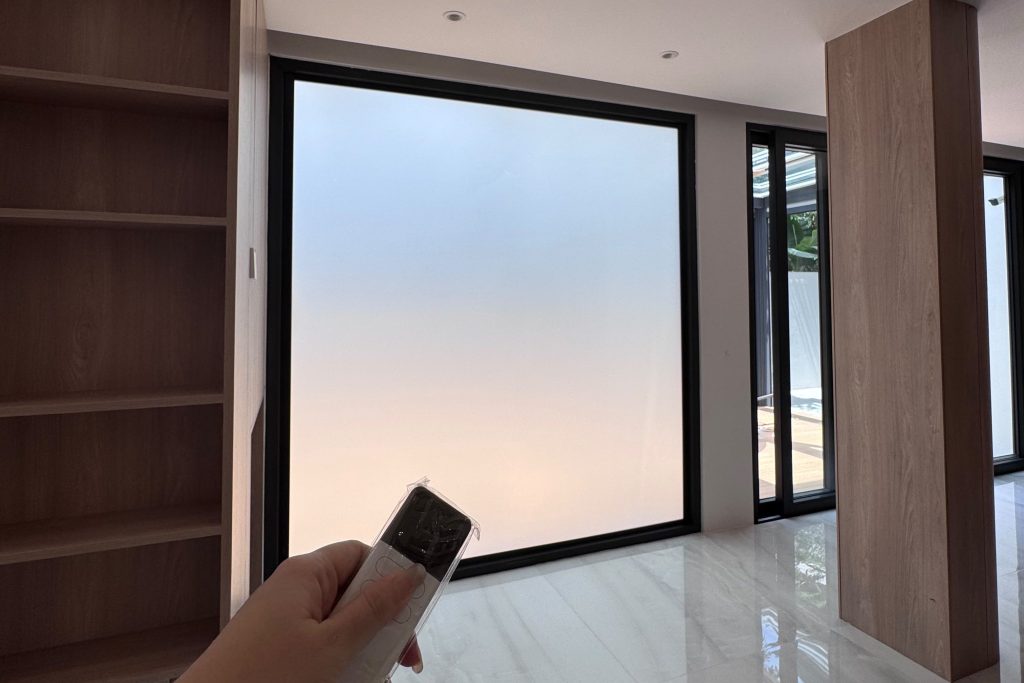
Smart film is useful when privacy changes depending on the situation.
For example, an office meeting room can remain transparent when empty, keeping the space visually open.
When a confidential meeting starts, the film can switch to frosted mode.
This kind of adjustable privacy is the main reason to choose smart film.
Frosted film
Frosted film is better when privacy is needed all the time.
For example:
- Bathroom windows
- Storage rooms
- Permanent office dividers
- Areas where visibility is never required
If the glass never needs to become clear, smart film may be unnecessary.
2. Natural Light and Openness
Both smart film and frosted film can allow light through.
The difference is visual openness.
Smart film can return to a clearer state, allowing the space to feel more connected.
This can be useful for:
- Open offices
- Meeting rooms
- Director rooms
- Homes with glass partitions
Frosted film still allows light to pass through, but the view remains permanently obscured.
So if maintaining clear sightlines matters, smart film has the advantage.
3. Installation and Electrical Requirements
Frosted film is simpler to install because it does not require power.
Smart film needs:
- Electrical supply
- Wiring
- Transformer or controller
- Control method
- Proper installation planning
The control may use:
- Wall switch
- Remote control
- Automation system where compatible
For renovation projects, wiring should ideally be planned before surrounding finishes are completed. Our smart film installation guide sets out what to check before installation.
This helps keep the final installation cleaner.
4. Cost Considerations
Frosted film is generally simpler and usually has a lower upfront cost because it does not require electrical components or switching technology.
Smart film is typically more expensive because the system includes:
- PDLC film
- Electrical components
- Wiring
- Controls
- Installation
However, the comparison should not be based on price alone.
The main question is:
Do you need the glass to switch between clear and private?
If the answer is no, frosted film may be enough.
If the answer is yes, smart film provides a function that frosted film cannot.
5. Appearance and Design Flexibility
Smart film is often selected for modern interiors because it allows glass to remain clear when privacy is not needed.
This can create a cleaner and more open look.
Frosted film creates a consistent frosted appearance.
That can still work well, especially when privacy is permanent.
The choice depends on whether the design needs:
- Open visibility
- Flexible privacy
- Permanent screening
- A minimalist glass appearance
6. Which Is Better for Office Meeting Rooms?
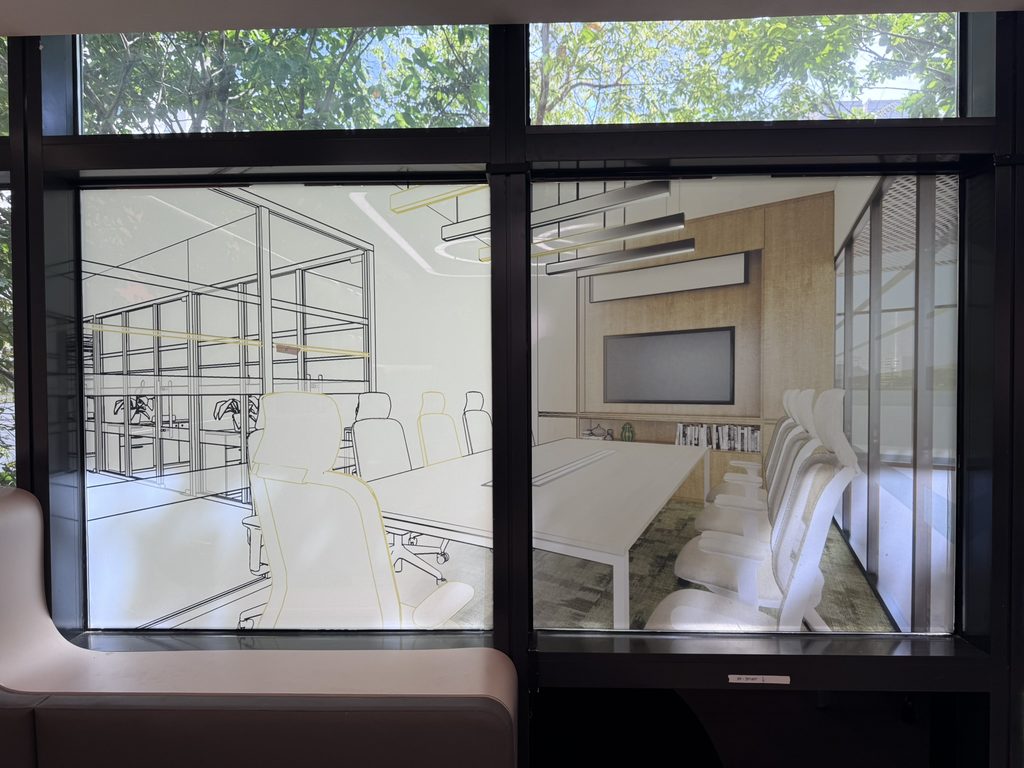
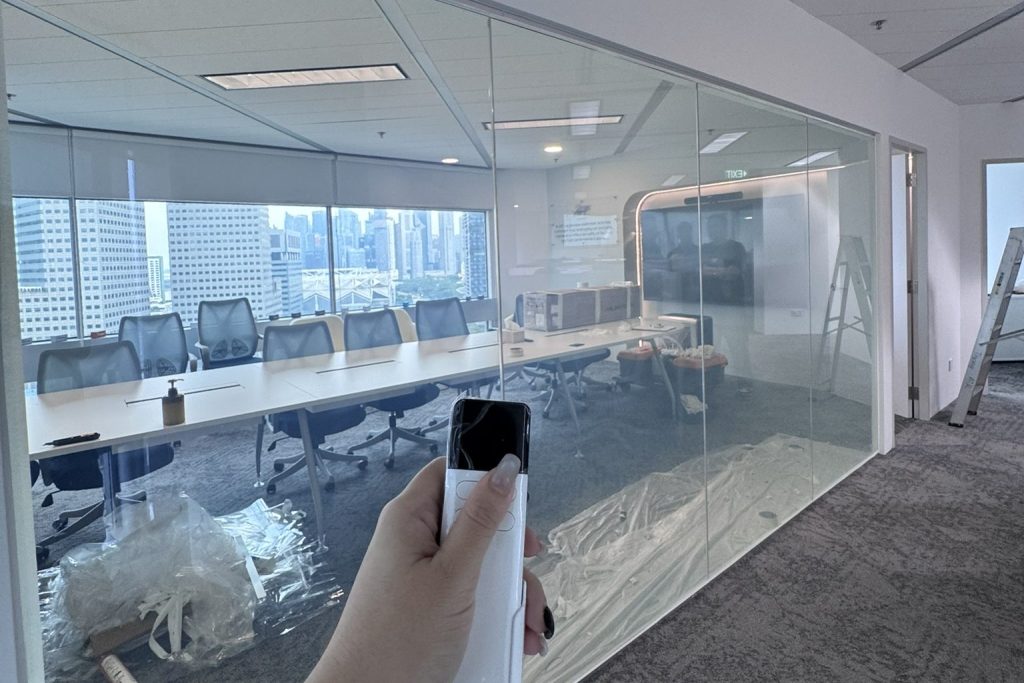
For meeting rooms, smart film is usually the more flexible option.
A glass meeting room can stay transparent during normal use and switch to privacy mode for:
- Confidential meetings
- HR discussions
- Interviews
- Management meetings
- Client discussions
Frosted film can still work if the meeting room should remain private all the time.
The better choice depends on whether visibility outside meetings is useful.
7. Which Is Better for Homes?
For homes, the answer depends heavily on the room.
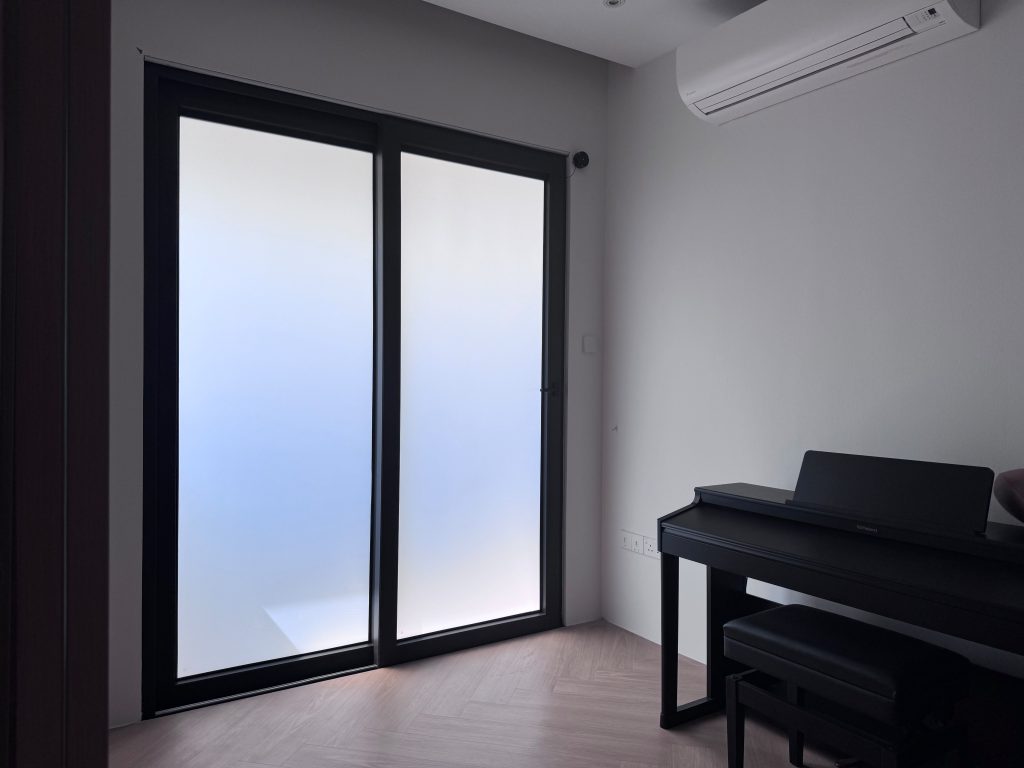
Smart film may be suitable for:
- Bedroom glass partitions
- Home offices
- Internal glass doors
- Spaces where the view is sometimes wanted
Frosted film may be more suitable for:
- Permanent bathroom privacy
- Windows that never need to be clear
- Utility areas
- Lower-cost fixed privacy
The key question remains the same: do you need flexible privacy, or only permanent privacy?
8. Which Is Better for Clinics and Consultation Rooms?
Clinics often need privacy while still benefiting from bright interiors and glass partitions.
Smart film may work well for consultation rooms where the glass should remain clear when the room is not in use and switch to privacy when occupied.
Frosted film may be suitable when the room should always remain private.
The required hygiene, safety and privacy standards should still be assessed based on the actual project.
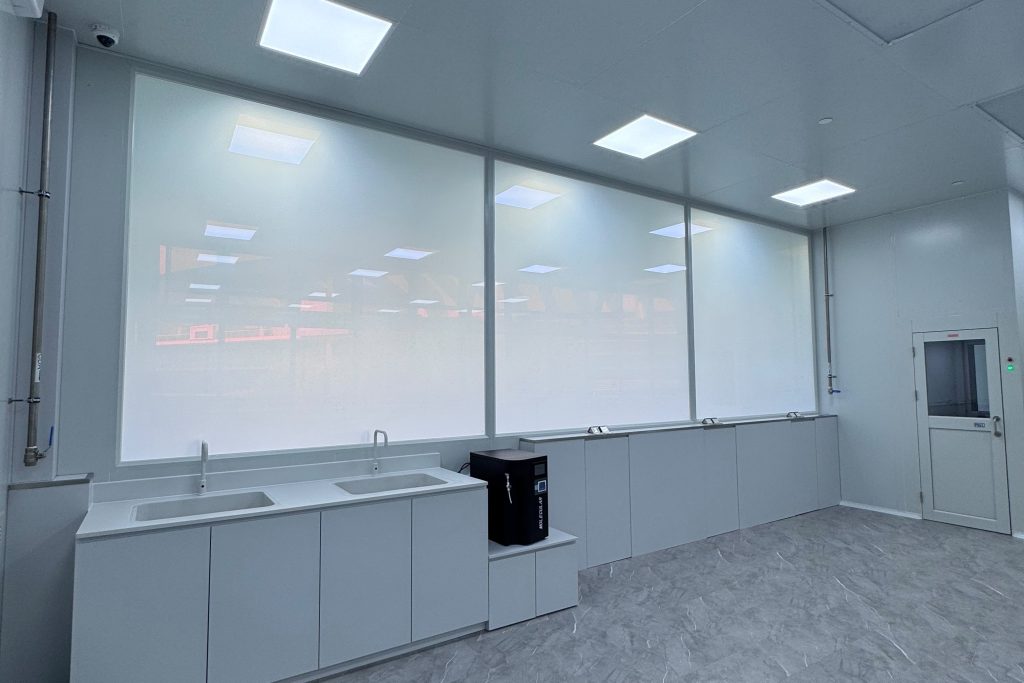
Smart Film vs Frosted Film: Which Should You Choose?
Choose smart film if you want:
- Privacy on demand
- Clear glass when privacy is not needed
- A flexible meeting room
- A modern glass interior
- Existing glass with switchable functionality
Choose frosted film if you want:
- Permanent privacy
- No electrical system
- Simpler installation
- Lower upfront complexity
- A fixed frosted appearance
Neither option is automatically better.
The right choice depends on how often you need privacy and whether the glass also needs to remain clear at other times.
Frequently Asked Questions
Is smart film better than frosted film?
Smart film is better when you need switchable privacy. It allows the glass to change between a clearer state and a frosted state. Frosted film is better when permanent privacy is enough and there is no need for the glass to become clear.
Does smart film provide full privacy?
Smart film provides visual privacy in its frosted state by scattering light and reducing direct visibility through the glass. It is not the same as complete blackout, and silhouettes may still be visible in some lighting conditions.
Does frosted film work at night?
Yes. Unlike reflective or one-way films, frosted film provides privacy both during the day and at night because the glass remains permanently obscured.
Can smart film be installed on existing glass?
Yes. Self-adhesive PDLC smart film can be applied to suitable existing glass, making it useful for retrofit projects. The glass condition and installation environment should be checked first.
Does smart film need electricity?
Yes. PDLC smart film uses electricity to switch into its clearer state. When the power is off, it returns to the frosted privacy state.
Final Thoughts
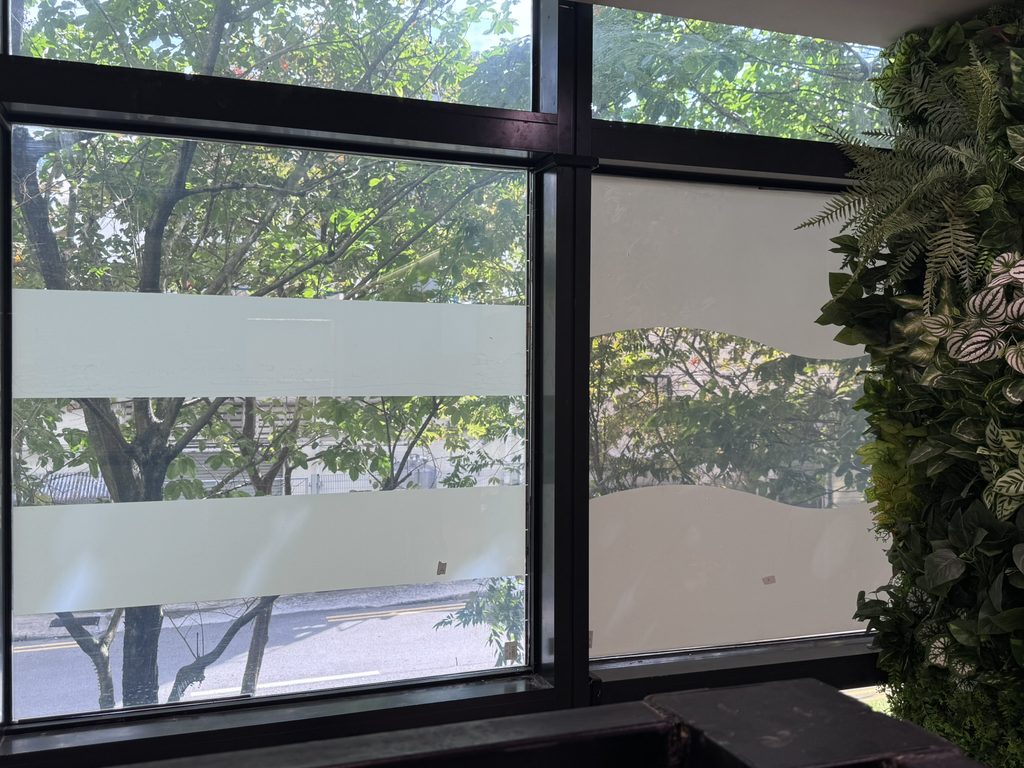
The difference between smart film and frosted film is simple:
Smart film gives you a choice. Frosted film gives you permanent privacy.
If your glass only needs to stay private, frosted film may be the simpler solution.
If you want the same glass to be clear sometimes and private at other times, smart film offers much greater flexibility.
For offices, meeting rooms, clinics, homes and commercial interiors in Singapore, the right solution should be selected based on:
- Privacy needs
- Glass condition
- Electrical access
- Design intent
- Budget
- How often the space needs to switch between open and private
Where new glass is being installed rather than retrofitted, smart glass in Singapore may be worth considering as an alternative to film.
Smart Glass Solution provides smart film and switchable privacy solutions for suitable existing glass in Singapore.
Not sure whether smart film or frosted film is better for your glass?
Send Smart Glass Solution a photo of your glass, approximate dimensions and intended use. We can help assess whether switchable smart film is suitable for your space. Contact Smart Glass Solution to get started.