Can Smart Film Be Installed on Existing Glass?
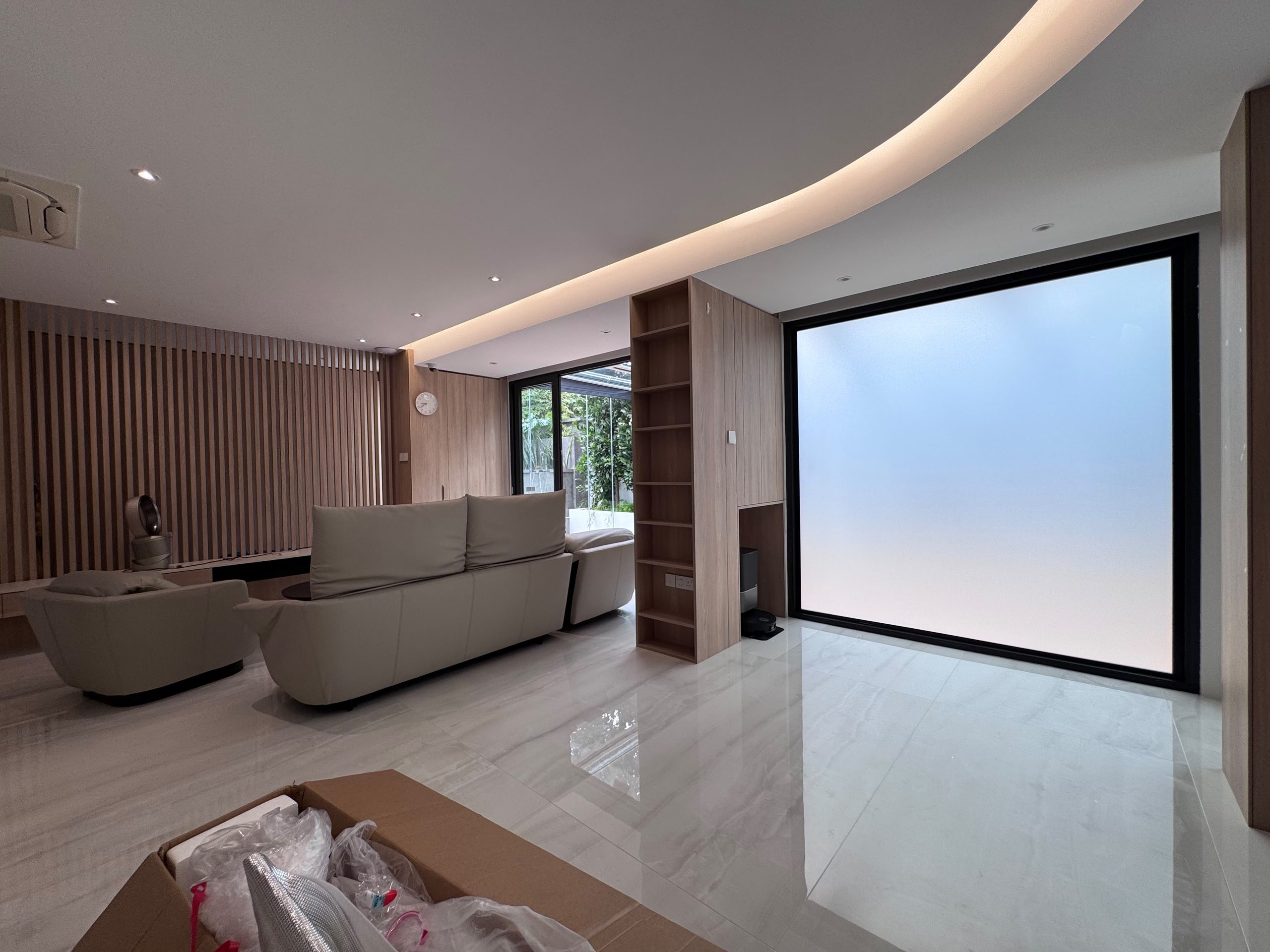
Yes. Smart Film can be installed directly onto many suitable existing glass panels, allowing conventional glass to gain switchable privacy without replacing the entire panel.
This is one of the main reasons Smart Film is useful for retrofit projects.
If you already have glass in your:
- Office meeting room
- Director room
- Clinic
- Glass partition
- Home
- Bedroom
- Glass door
you may not need to remove it just to add privacy.
However, not every glass panel should automatically be considered suitable.
The glass condition, surface, dimensions, installation environment and access to electrical power should all be checked first.
Quick Answer: Smart Film on Existing Glass
Yes. Self-adhesive Smart Film can be installed directly onto many suitable existing glass panels, allowing the glass to switch between clearer and frosted privacy states without replacing the entire panel. Before installation, the glass should be checked for damage, existing films, surface condition, dimensions, electrical access and the surrounding environment.
How Does Smart Film Work on Existing Glass?
Smart Film is a thin electrically controlled film that is applied to the surface of suitable glass. Our guide on what is Smart Film covers the basics.
Most switchable Smart Film uses PDLC, or Polymer Dispersed Liquid Crystal, technology.
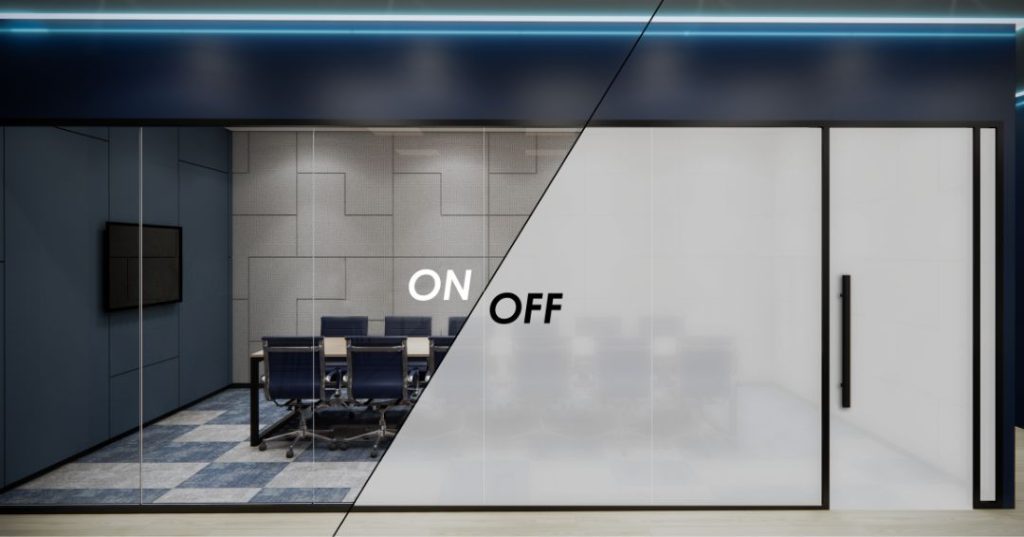
In a typical normal-mode PDLC system:
Power OFF → Frosted / Private
Power ON → Clearer / Open
When electricity is applied, the liquid crystals align and allow more light to pass through directly.
When power is removed, the crystals scatter light and create the frosted privacy effect.
A scientific review of PDLC technology describes its use in applications such as electrically controlled smart windows and optical switching.
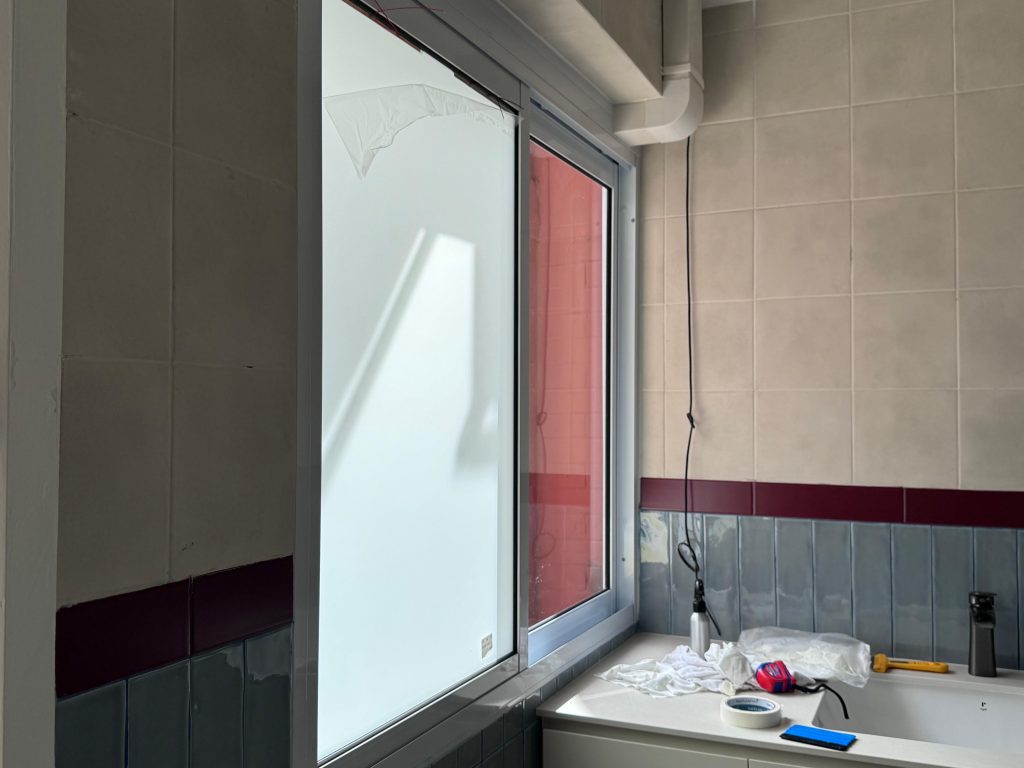
Because the Smart Film is applied to the existing glass surface, the original glass can remain in place when it is suitable.
What Existing Glass Can Smart Film Be Installed On?
Smart Film can be considered for many existing smooth glass surfaces.
Common examples include:
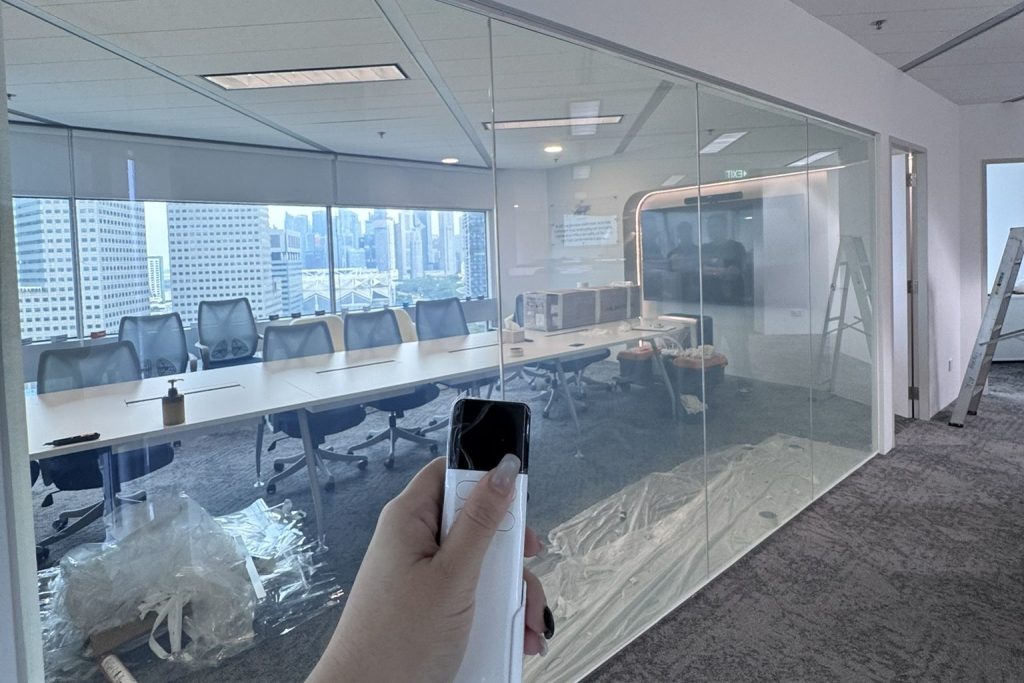
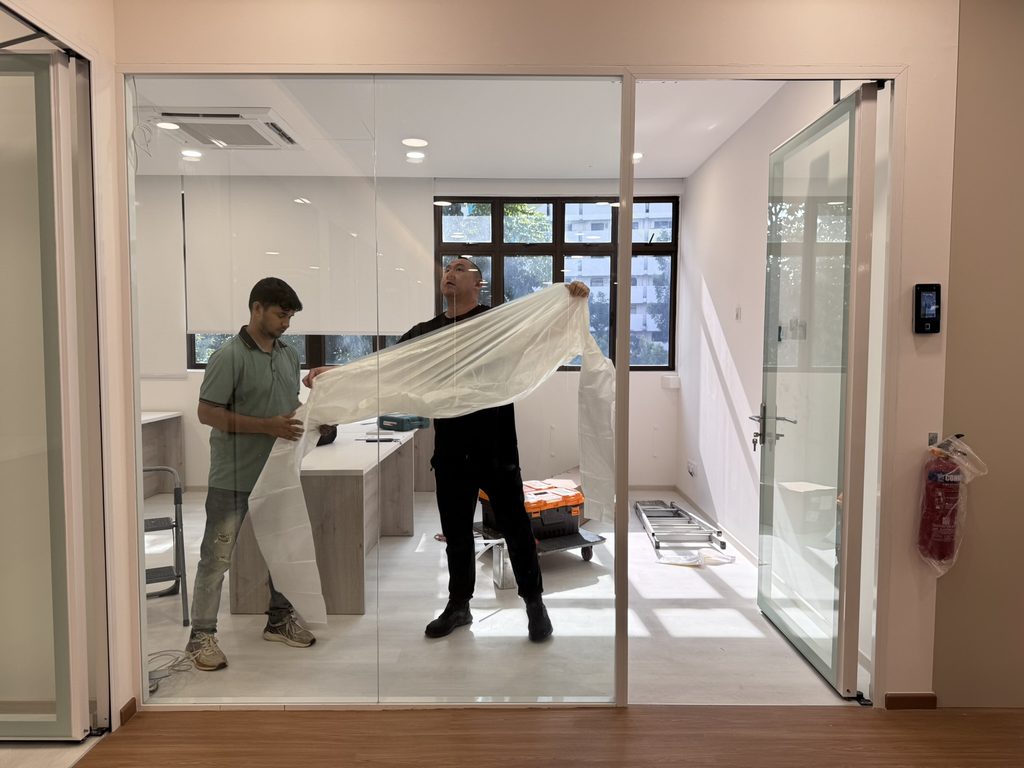
Office glass partitions
Existing meeting-room or office partitions are one of the most practical Smart Film applications.
Instead of replacing the glass, Smart Film can provide privacy when meetings are taking place and return to a clearer state afterwards.
Glass doors
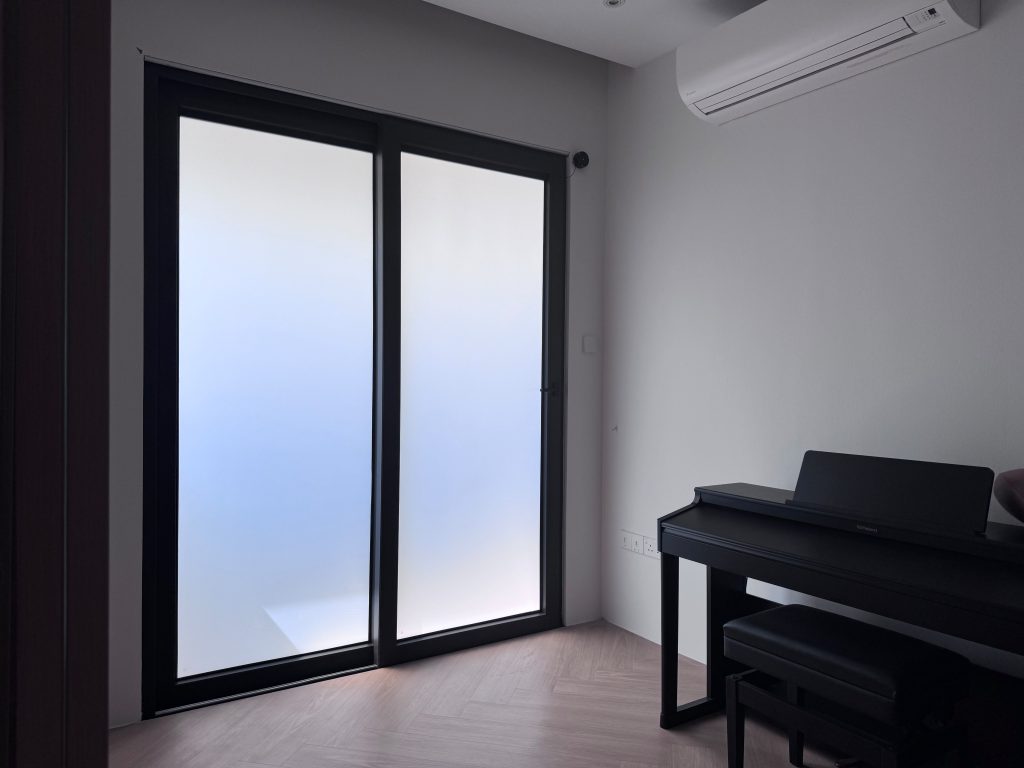
Smart Film may also be installed on suitable glass doors.
The installation needs additional planning around:
- Door frames
- Hinges
- Moving parts
- Wiring routes
- Electrical connection points
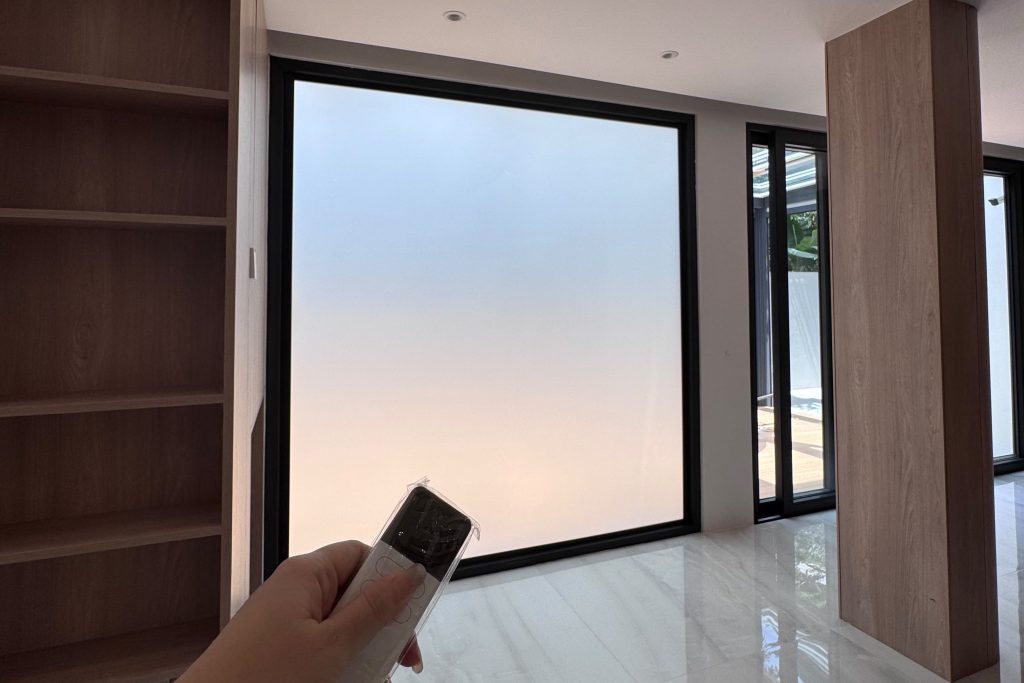
Residential windows and partitions
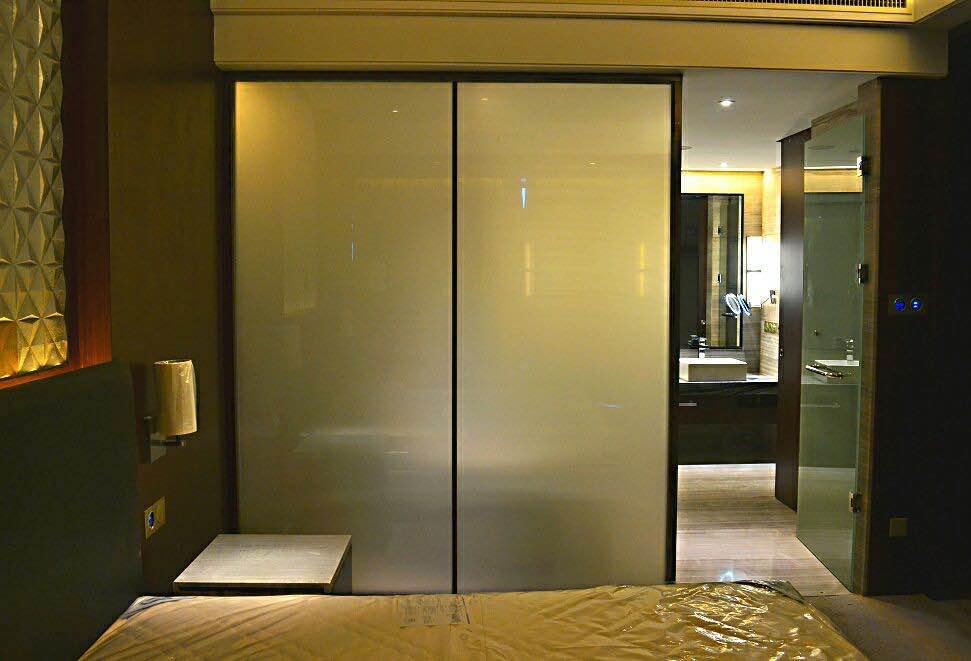
Existing internal glass may be upgraded for privacy in areas such as:
- Bedrooms
- Home offices
- Internal glass partitions
- Sliding glass doors
The site conditions should still be assessed before installation.
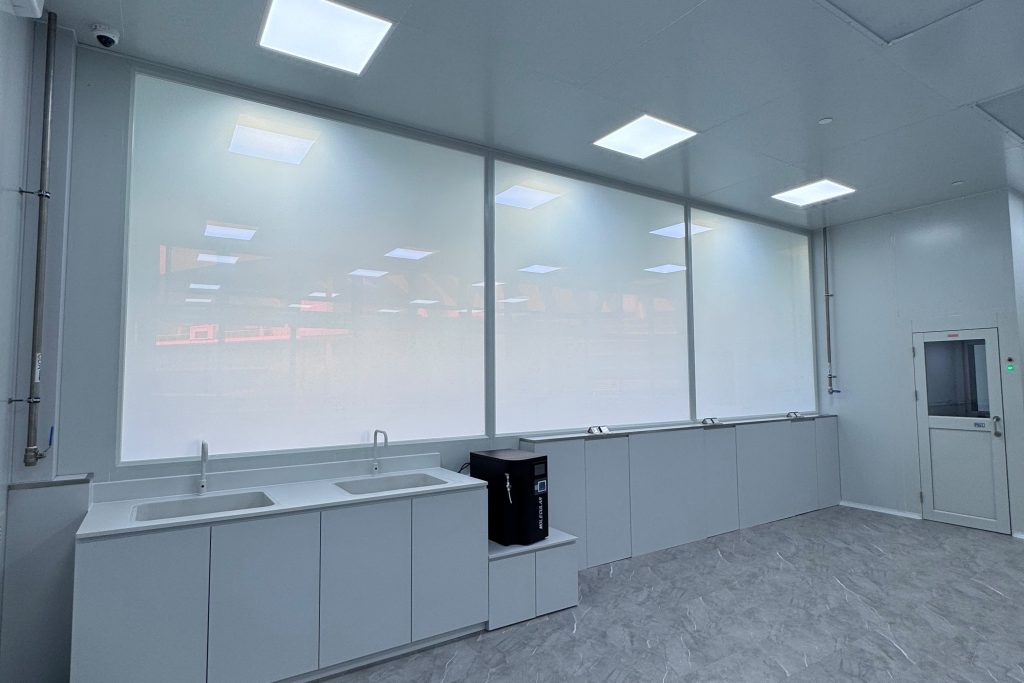
Clinic and consultation-room glass
Smart Film can help an existing glass consultation room provide privacy when occupied while allowing a more open appearance when privacy is not required.
This is particularly useful when the existing glass is still in good condition and replacing it would otherwise be unnecessary.
How Do You Know If Your Existing Glass Is Suitable?
Before installing Smart Film, check these five areas.
1. Glass condition
The glass should be in suitable condition.
Check for:
- Cracks
- Chips
- Deep scratches
- Surface damage
- Existing film
- Adhesive residue
- Heavy contamination
Smart Film is applied directly onto the glass surface, so defects underneath it may affect the finished appearance.
If the glass itself already needs replacement, installing Smart Film may not be the most sensible route.
2. Glass surface
A clean and smooth surface is important for installation.
Existing decorative films, tinting or adhesive residue may need to be removed first.
The installer should therefore inspect the actual glass rather than assuming that every transparent panel is ready for Smart Film.
3. Glass dimensions and shape
Straight rectangular panels are generally easier to plan, but Smart Film can also require customised preparation for glass with:
- Unusual dimensions
- Angled edges
- Door handles
- Cut-outs
- Frames
- Large panel sizes
Measurements should be taken from the actual glass wherever possible.
4. Electrical access
Smart Film requires electricity to switch into its clearer state.
Before installation, determine:
- Where the power source is
- Where the transformer or controller will be placed
- How the wiring will reach the glass
- Whether wiring can be concealed
- Whether you want a wall switch or remote control
For Singapore projects involving new or modified electrical wiring, EMA states that electrical work should be carried out or supervised by a Licensed Electrical Worker.
5. Installation environment
The location also matters.
Review:
- Moisture
- Heat
- Direct sunlight
- Water exposure
- Cleaning requirements
- Indoor or exposed conditions
A dry office meeting room and a bathroom do not have the same installation conditions.
The Smart Film specification and detailing should therefore match the environment.
Our Smart Film installation guide works through each of these checks in more detail.
Existing Glass Smart Film Suitability Checklist
| What to Check | Suitable Situation | Needs Further Review |
|---|---|---|
| Glass condition | Smooth and undamaged | Cracked, chipped or badly scratched |
| Existing surface | Clean glass | Existing film or adhesive |
| Glass shape | Standard panel | Irregular shapes or cut-outs |
| Electrical access | Power can be provided | No practical wiring route |
| Environment | Suitable indoor application | High moisture or exposed conditions |
| Privacy requirement | Switchable visual privacy | Complete blackout or acoustic privacy |
| Existing glass | Worth retaining | Glass already needs replacement |
This is why a photo and dimensions can be useful before arranging installation.
Do You Need to Remove the Existing Glass?
Usually, no.
That is one of Smart Film’s main advantages.
Smart Film in Singapore is positioned specifically as a retrofit option for compatible existing glass, allowing the panel to remain in place rather than requiring complete glass replacement.
The process generally involves:
- Inspecting the existing glass
- Measuring the panel
- Preparing and cleaning the surface
- Applying the Smart Film
- Connecting the electrical components
- Testing the clear and privacy states
This can make Smart Film particularly attractive for existing offices or homes where the glass itself is still perfectly usable.
What If There Is Already Window Film on the Glass?
This should be checked before installation.
Existing:
- Frosted film
- Solar film
- Decorative film
- Privacy film
may need to be removed before Smart Film is applied. If you are weighing the two options, our comparison of Smart Film vs Frosted Film covers that decision.
Any remaining adhesive or surface contamination should also be properly cleaned.
Do not simply apply Smart Film over another film layer without first confirming that the installation method is suitable.
Can Smart Film Be Installed on Frameless Glass?
Potentially, yes.
But frameless glass can create a different challenge:
Where does the wiring go?
The Smart Film still needs an electrical connection, so the installation should consider how wiring can be routed through or alongside:
- Ceiling areas
- Adjacent partitions
- Door frames
- Cable covers
- Nearby carpentry
This is why electrical and wiring planning matters almost as much as the glass itself.
Can Smart Film Be Installed on Bathroom Glass?
It may be possible for some applications, but bathrooms require much more careful assessment because moisture and electricity are involved.
Important considerations include:
- Water exposure
- Film edges
- Electrical connections
- Wiring route
- Product suitability
- Location of the glass
Do not assume that an installation suitable for a dry office can simply be copied into a wet area.
Smart Film or Smart Glass: Which Is Better for Existing Glass?
If suitable glass is already installed and you want to keep it, Smart Film is usually the more practical option.
If the glass itself is already being replaced, Smart Glass may make more sense.
| Situation | Smart Film | Smart Glass |
|---|---|---|
| Existing good-condition glass | ✓ | |
| Want to avoid glass replacement | ✓ | |
| Retrofit project | ✓ | |
| New glass required | ✓ | |
| Existing glass damaged | Consider | |
| New renovation or new glazing | Consider | ✓ |
| Integrated PDLC layer inside glass | ✓ |
Our Smart Glass in Singapore range is supplied as a laminated glass system, so installation normally involves new glazing rather than applying technology onto an existing panel.
For a fuller side-by-side, see Smart Film vs Smart Glass.
When Smart Film May Not Be the Right Solution
Smart Film is useful, but it is not magic glass summoned from the future to solve every privacy problem.
Another solution may be more appropriate if:
- The existing glass is damaged
- The glass already needs replacement
- Complete blackout is required
- Acoustic privacy is the main problem
- Electrical access is impractical
- The installation environment is unsuitable
- Maximum clarity identical to untreated glass is essential
For example, Smart Film can provide visual privacy, but it does not make a meeting room soundproof.
The actual problem should be identified first.
Where Is Smart Film Commonly Used on Existing Glass?
Offices
- Meeting rooms
- Director rooms
- HR rooms
- Glass partitions
- Discussion rooms
Homes
- Bedrooms
- Study rooms
- Glass doors
- Internal windows
Clinics
- Consultation rooms
- Treatment spaces
- Glass partitions
Commercial spaces
- Showrooms
- Retail areas
- Private discussion spaces
- Hospitality interiors
The best applications are generally spaces where users want the glass to stay open and transparent sometimes but private at other times.
Frequently Asked Questions
Can Smart Film really be installed without replacing the glass?
Yes. Self-adhesive Smart Film is designed for retrofit applications and can be applied to compatible existing glass. The glass should first be checked for condition, surface suitability, dimensions and installation environment.
Can Smart Film be installed on old glass?
Age alone does not determine suitability. The glass condition matters more. Existing glass should be inspected for cracks, chips, scratches, old films and other surface issues before installation.
Can Smart Film be installed over existing window film?
Existing window film may need to be removed first. The glass surface should be properly prepared before Smart Film is installed.
Does Smart Film need wiring?
Yes. PDLC Smart Film requires power to change into its clearer state. Electrical supply, controller location and wiring should therefore be considered before installation.
Can Smart Film be removed later?
Because Smart Film is applied onto the glass rather than manufactured inside it, removal may be possible depending on the product and installation method. The glass condition after removal will also depend on the adhesive, surface and installation.
Is Smart Film better than replacing the glass?
If the existing glass is suitable and you only need switchable privacy, Smart Film can avoid unnecessary glass replacement. If the glass itself needs replacing, Smart Glass may be more appropriate.
Final Thoughts
So, can Smart Film be installed on existing glass?
In many cases, yes.
That is precisely where Smart Film has one of its biggest advantages.
Before installation, check:
- Glass condition
- Surface condition
- Dimensions
- Electrical access
- Wiring route
- Installation environment
- Required level of privacy
If the existing glass is suitable, Smart Film can turn it into switchable privacy glass without replacing the full panel.
If the glass already needs to be changed, consider Smart Glass instead.
More guides are collected in our Smart Film Insights section.
Not Sure If Your Existing Glass Is Suitable for Smart Film?
Smart Glass Solution installs switchable privacy film on suitable existing glass across offices, homes and clinics in Singapore.
Send Smart Glass Solution:
- A photo of the glass
- Approximate width and height
- Location of the glass
- Intended use
Our team can review whether Smart Film for your existing glass is suitable and advise on the next step. Contact Smart Glass Solution to get started.